
Sewage, gray water and drains that gurgle
Drains That Back Up Into the House in Cartersville, GA
Water that rises out of a toilet, tub or floor drain may carry sewage, so treat it as unsafe until a professional says otherwise. Talk it through: call (678) 288-4775 and say which drains are backing up.
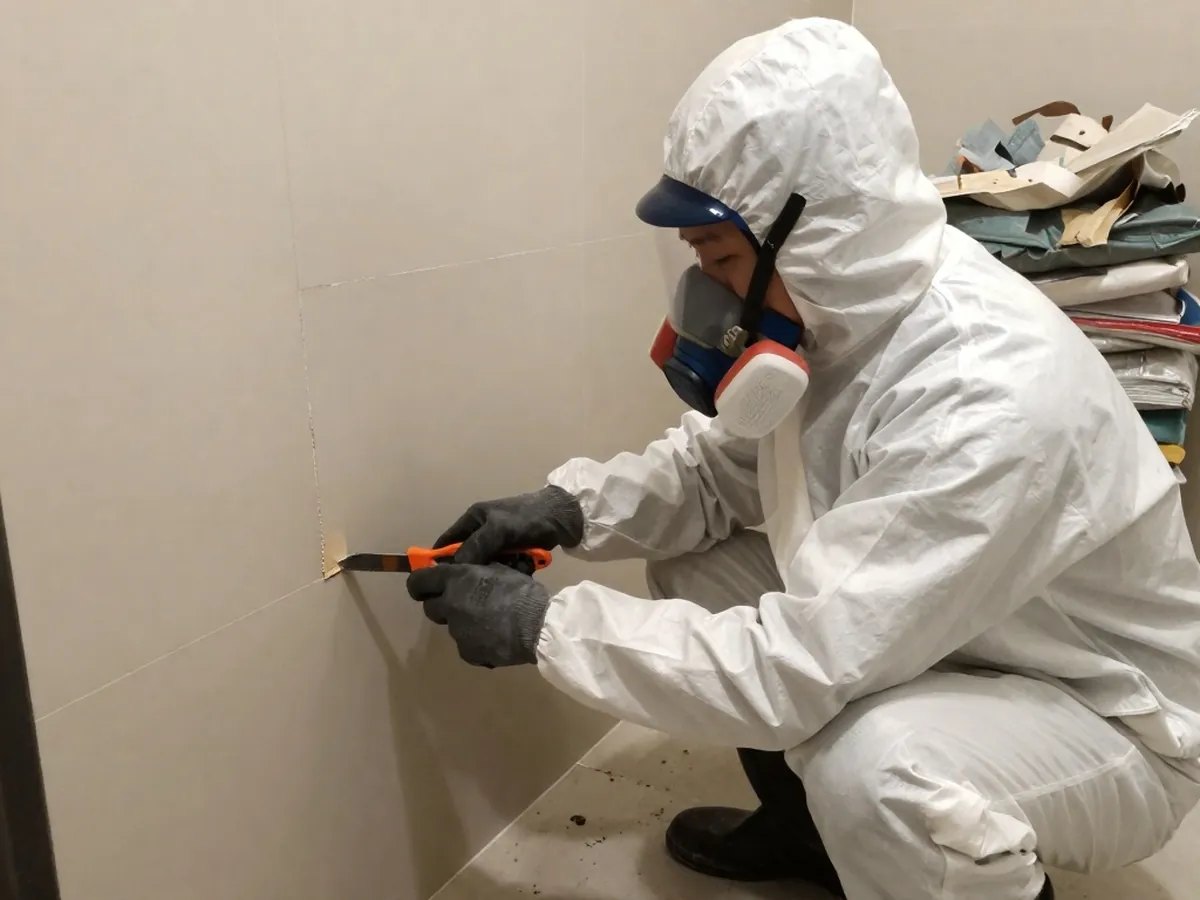
Leave and call out first if
Water rising from a drain, toilet or tub: touch none of it, keep children and pets away, and wash your hands with soap and clean water if you did.
Water near outlets, cords or the panel: stay on dry ground, flip no switch, and at the first spark use 911 or the electric utility.
A gas smell, in the basement or anywhere else: leave first, touch no switch, and phone 911 or your gas company from outside.
A septic system with water standing over the field: leave it unused and keep children off the wet ground.
Four things people do with backed-up water
Mopping it up bare-handed. After any contact with floodwater, CDC has you wash up with soap and clean water, and children stay clear of it.
Keeping soaked rugs and drywall to dry them. CDC's floodwater list for the trash runs from drywall and rugs to cloth and wall coverings that cannot be disinfected.
Running the drains to see if they clear. On a septic system, EPA says to leave it unused until the water over the field is lower than the water around the house.
Cleaning with a stronger bleach mix. CDC's mold page says no more than 1 cup of bleach per gallon of water, and never to mix bleach with ammonia.
Around Cartersville
The first question is whose pipe is blocked. Bartow County's water department takes water and sewer service problems at (770) 387-5170, and a clog in your own line belongs to a plumber. Cartersville's utilities page lists water among the city's services but gives no number.
Floodwater can carry sewage, CDC notes, and its throw-away list takes in drywall, rugs, cloth and wall coverings that cannot be disinfected.
For contaminated water, EPA points to a professional who has handled it before, and it leaves septic tanks to trained specialists. The county health department, at 100 Zena Drive in Cartersville, lists Environmental Health among its programs; the office number is (770) 382-1920.
Wet years and drain fields
Rome finished 2024 at 57.20 inches of rain, 5.28 over a normal 51.92, and took 3.68 inches on 29 November alone, per the Weather Service's annual summary. A street in Bartow County may have seen different totals.
EPA's page on septic systems after a flood ties the problem to groundwater: the system stays unused until the water over the field is lower than the water around the house.
On the visit itself
Call (678) 288-4775, name each drain that is backing up, mention whether the house has city sewer or a septic tank, and ask the contractor to arrange a visit.
A check on the spread: which floors, walls and stored boxes the water reached.
A look at which materials come out, with carpet, pad and wet drywall the usual first list.
Bagging and removal of soaked material, with the protective gear that job calls for.
Cleaning and drying of what stays, with fans set to blow outward.
A plain note on what the plumber or the utility still has to do before the drain is used again.
Whose problem is the water?
Is it coming up in more than one drain, or only the lowest one?
Say so on the call. More than one drain may point to the main line and not to a single fixture.
Is there a septic tank on the lot?
Say so. EPA says only trained specialists clean or repair tanks.
Is the water gray or foul-smelling, or has it reached a floor drain?
Treat it as sewage and keep out.
Did heavy rain come first?
Mention the date. See wet basements and crawl spaces.
Are the drains slow but nothing has come up?
Not a restoration job yet. A plumber looks at slow drains.
What the pages say about sewage-wet things
- Carpet and rugsCDC counts them among the things to discard if disinfecting is not possible
- Drywall and wall coveringsCDC lists them in the same group
- Cloth and soft furnishingsCDC lists cloth too; EPA adds that porous materials may have to go
- Food that touched the waterCDC says to throw it out
- Hard surfacesThe pages here give no rule; the contractor decides surface by surface
Pages that sit near this one
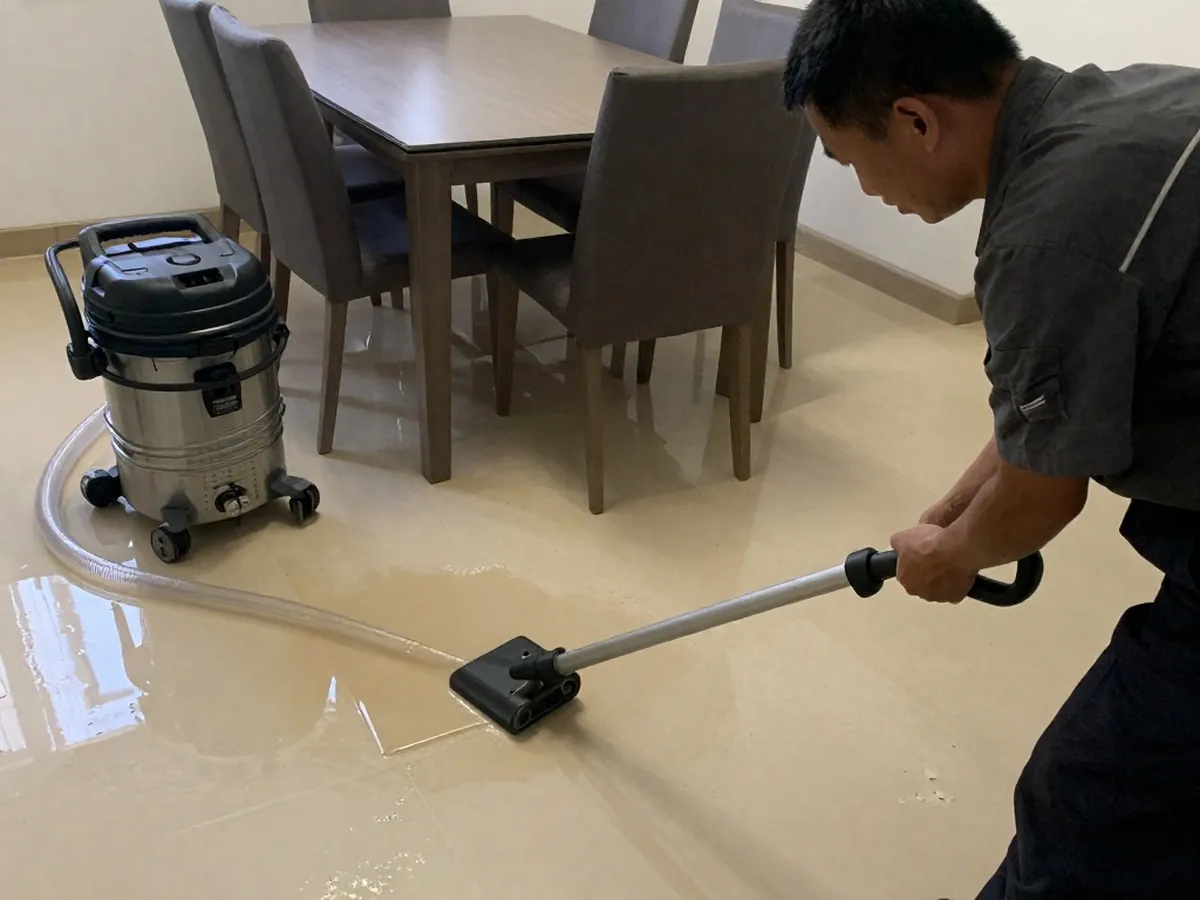 Standing water and soaked carpetWhen the floor is wet and the source is clean water
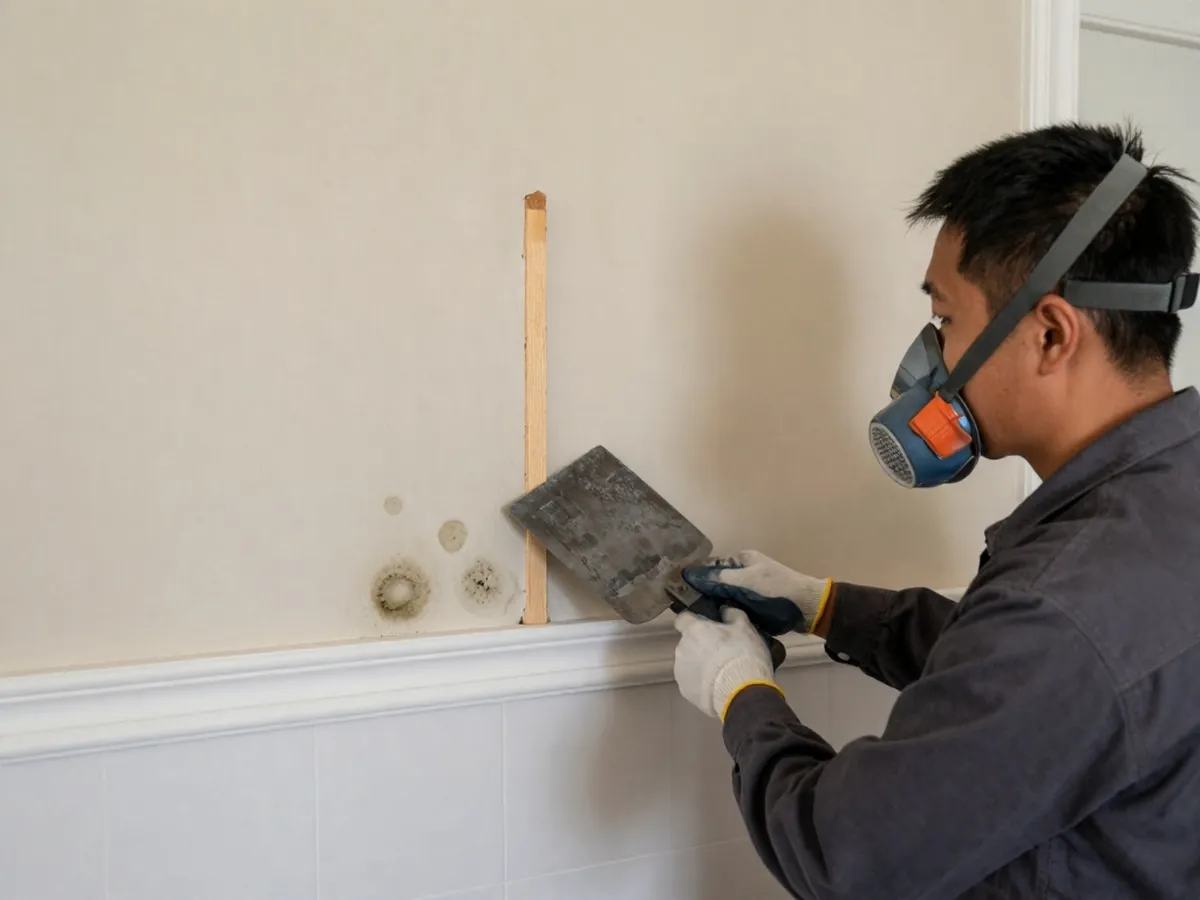 Dark spots after a leakWhen the room has stayed damp for days
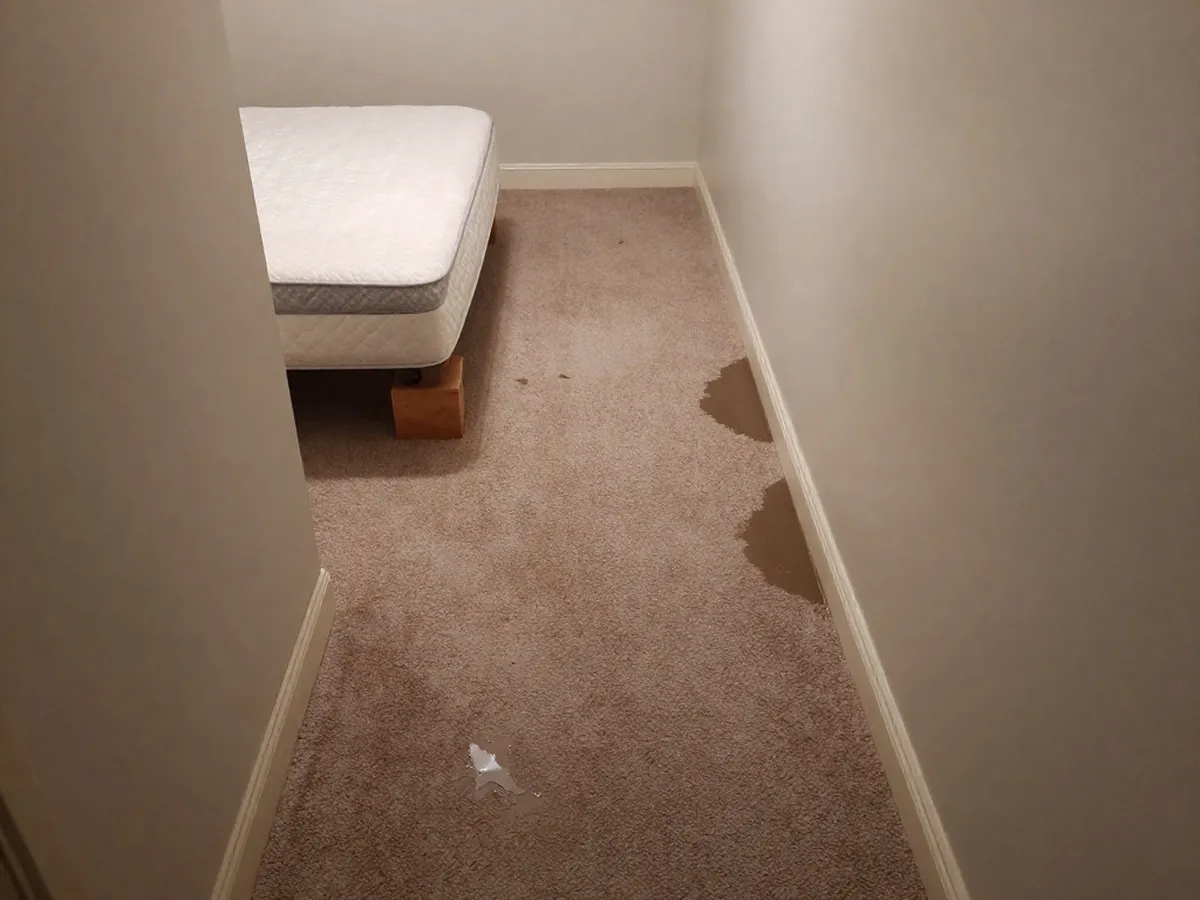 Wet basements and crawl spacesWhen the water came in with a storm
A note before anyone starts cutting
Before anyone hauls sewage out
Sewage work raises its own hiring questions. EPA advises a professional with experience in contaminated water, and suggests checking a contractor's references. The hiring questions page sets those questions beside each local office.